Introduction
When building a solid waste recycling line, choosing the right shredding equipment directly affects the efficiency of the entire system. Single-shaft shredders and double-shaft shredders use different power structures and cutting methods. Therefore, each type is suitable for a different range of materials.
Details
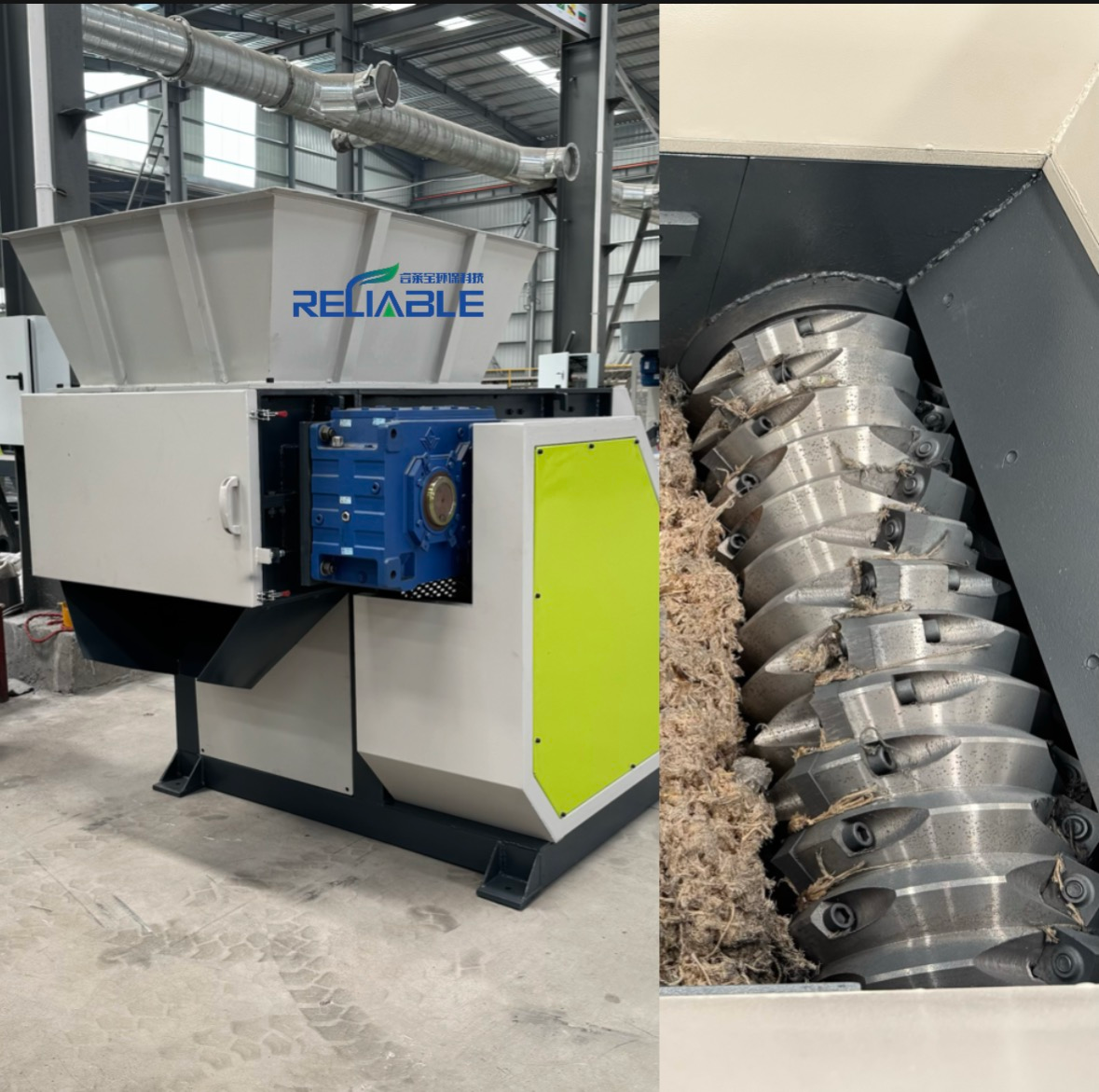
A single-shaft shredder uses a more controlled cutting process. It is well suited for tough and flexible materials. For example, it can gradually cut and shred plastic lumps and plastic production scrap. It also handles waste textiles, plastic waste, and similar materials effectively. In addition, single-shaft shredders can process compressed aluminum can bales with a relatively loose internal structure. As a result, they are a common choice for small and medium-sized solid waste shredding applications involving softer materials.
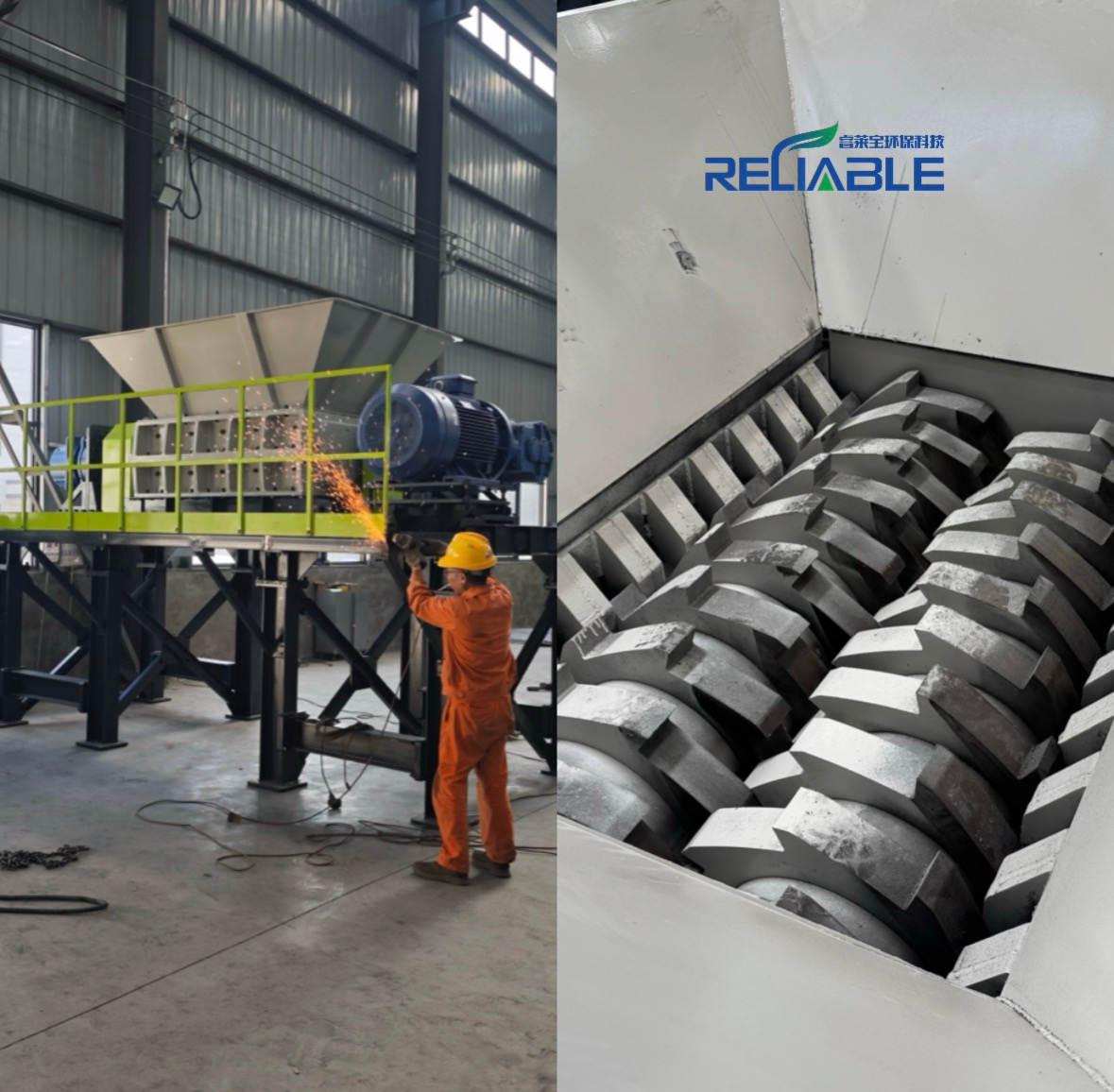
A double-shaft shredder provides high torque and is designed for bulky, hard, and mixed materials. It can shred color steel sheets, radiators, aluminum alloy scrap, end-of-life vehicle bodies, waste furniture, discarded household appliances, and other bulky waste. However, heavy steel plates thicker than 1 cm are generally beyond the recommended processing range of a shredder. For these materials, we recommend using hydraulic shears instead.
About RELIABLE
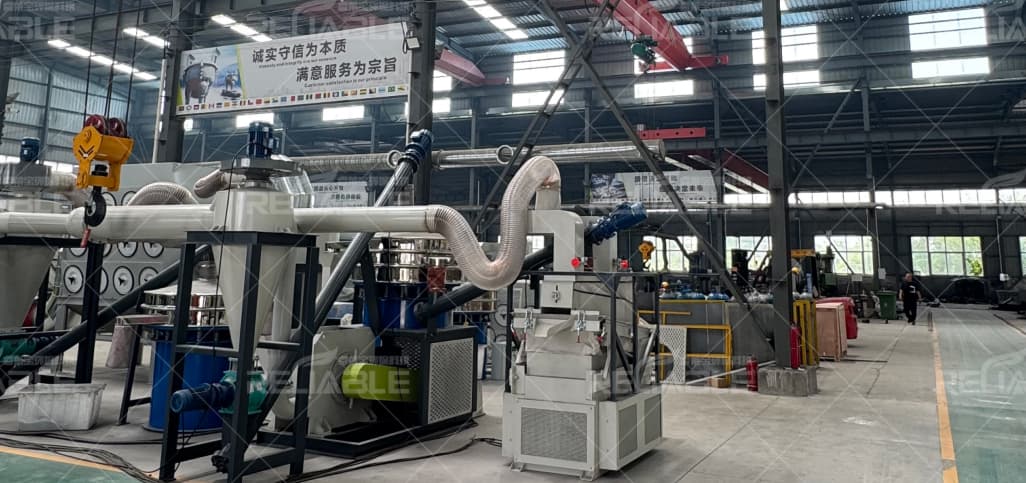
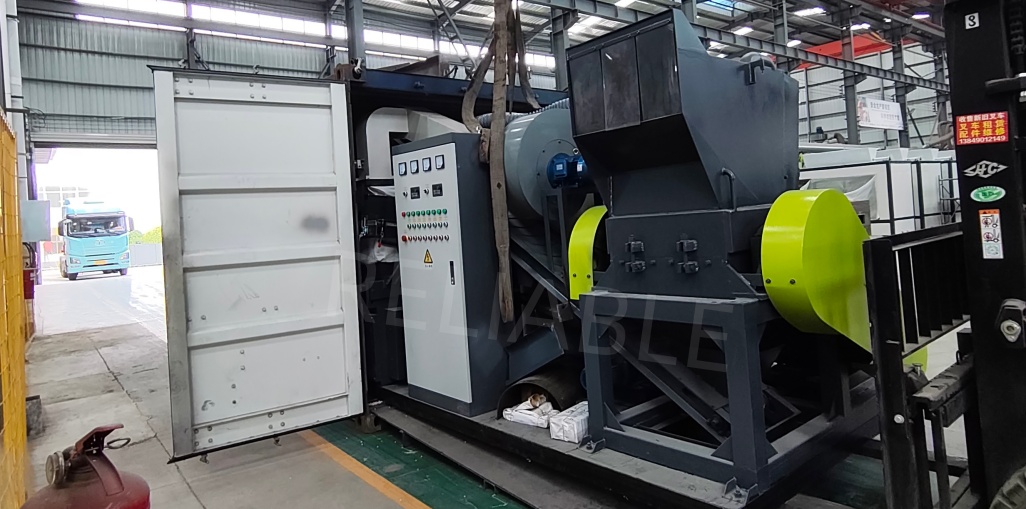
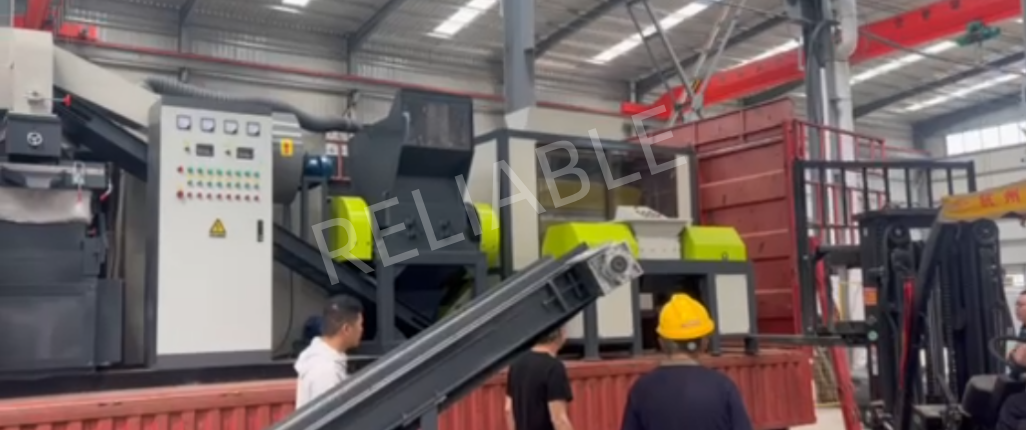
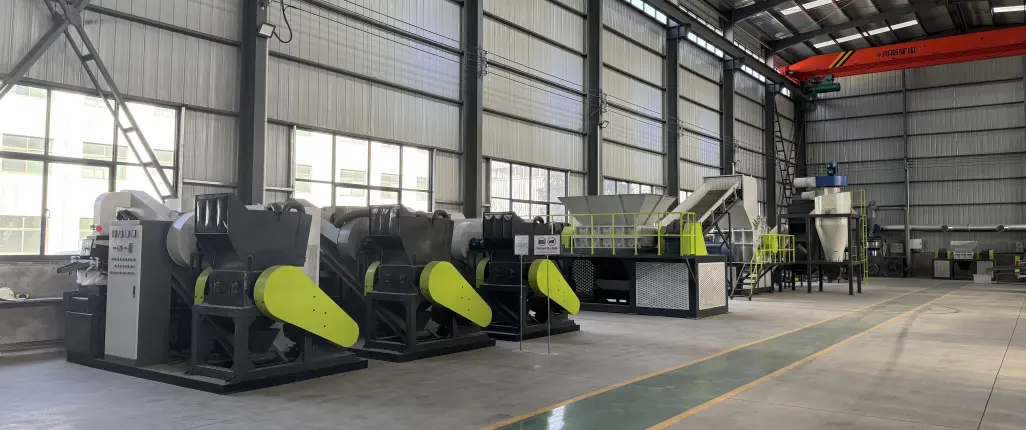
As a shredder manufacturer in China, we can design a suitable shredding solution based on your material type, required hourly capacity, and site conditions. Whether you need a single-shaft shredder or a double-shaft shredder, we carry out strict quality inspections before delivery. Our equipment combines stable performance with competitive pricing, and we also provide comprehensive global after-sales support.
If you are planning a solid waste recycling project, feel free to share your material information and processing requirements with us. We will help you select a suitable shredding solution for your recycling line.