Introduction
With the demand for recycling decommissioned solar panels experiencing explosive growth, selecting suitable and efficient solar panel recycling equipment has become a critical decision for resource recovery companies and solar power plant O&M providers both domestically and internationally as they expand into the recycling sector. Recently, RELIABLE has received inquiries for solar panel recycling equipment from multiple countries, including Italy, India, Poland, and Australia. As a solar panel recycling manufacturer based in China, we have accumulated extensive experience. This article provides an in-depth analysis of the advantages and disadvantages of two primary recycling processes from multiple key perspectives, offering professional and practical guidance to help global customers accurately select the right solar panel recycling equipment.
The mainstream PV panel recycling processes currently in the industry are primarily divided into physical crushing and pyrolysis recycling processes, corresponding to two distinct types of recycling equipment. These two methods exhibit significant differences in environmental compliance, technical adaptability, operating costs, and recycling efficiency. Furthermore, due to strict environmental policy restrictions in various countries overseas—with some nations explicitly prohibiting the use of PV panel pyrolysis furnaces—the selection of PV panel recycling equipment has become a focal point of industry attention.
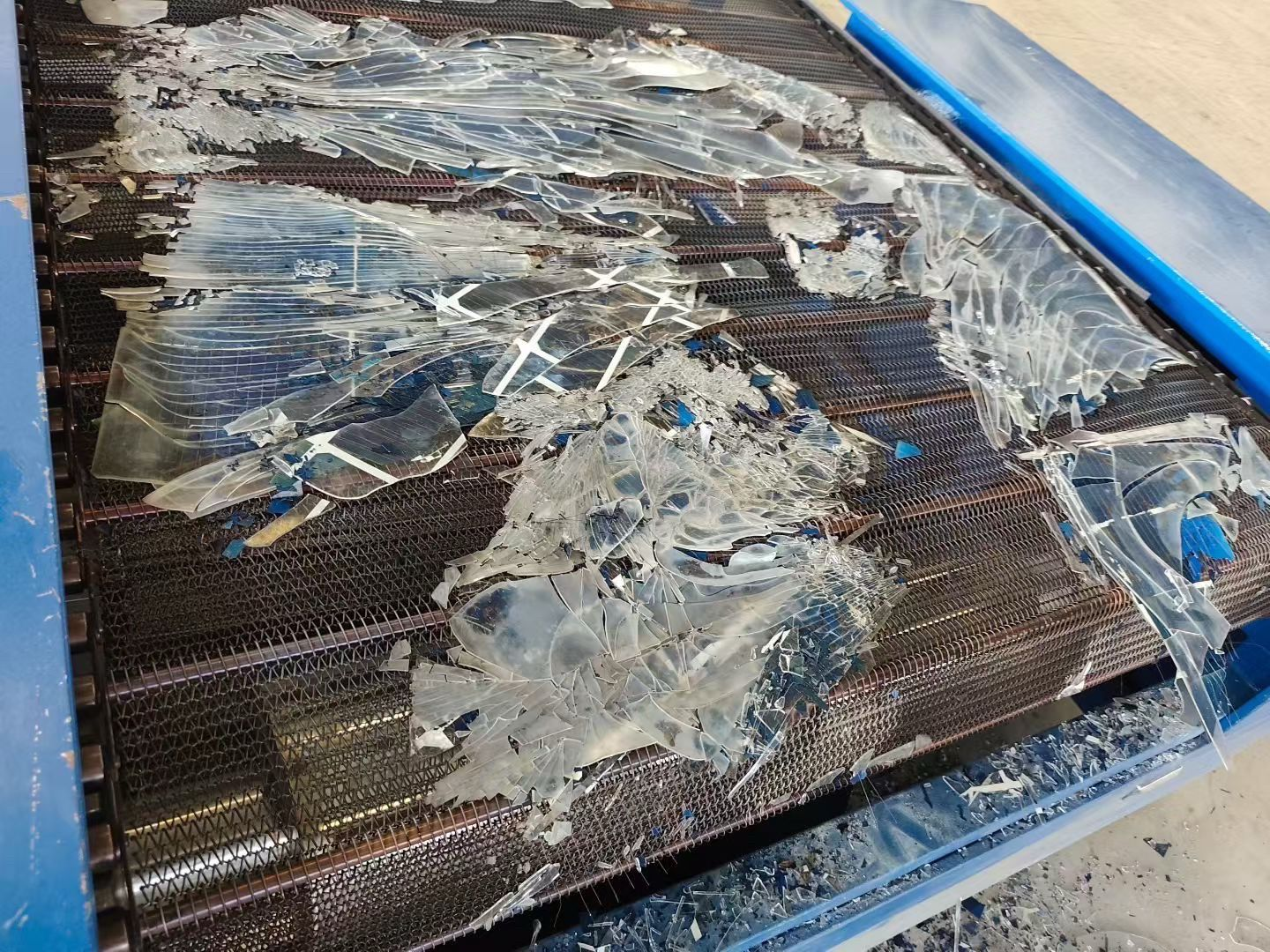
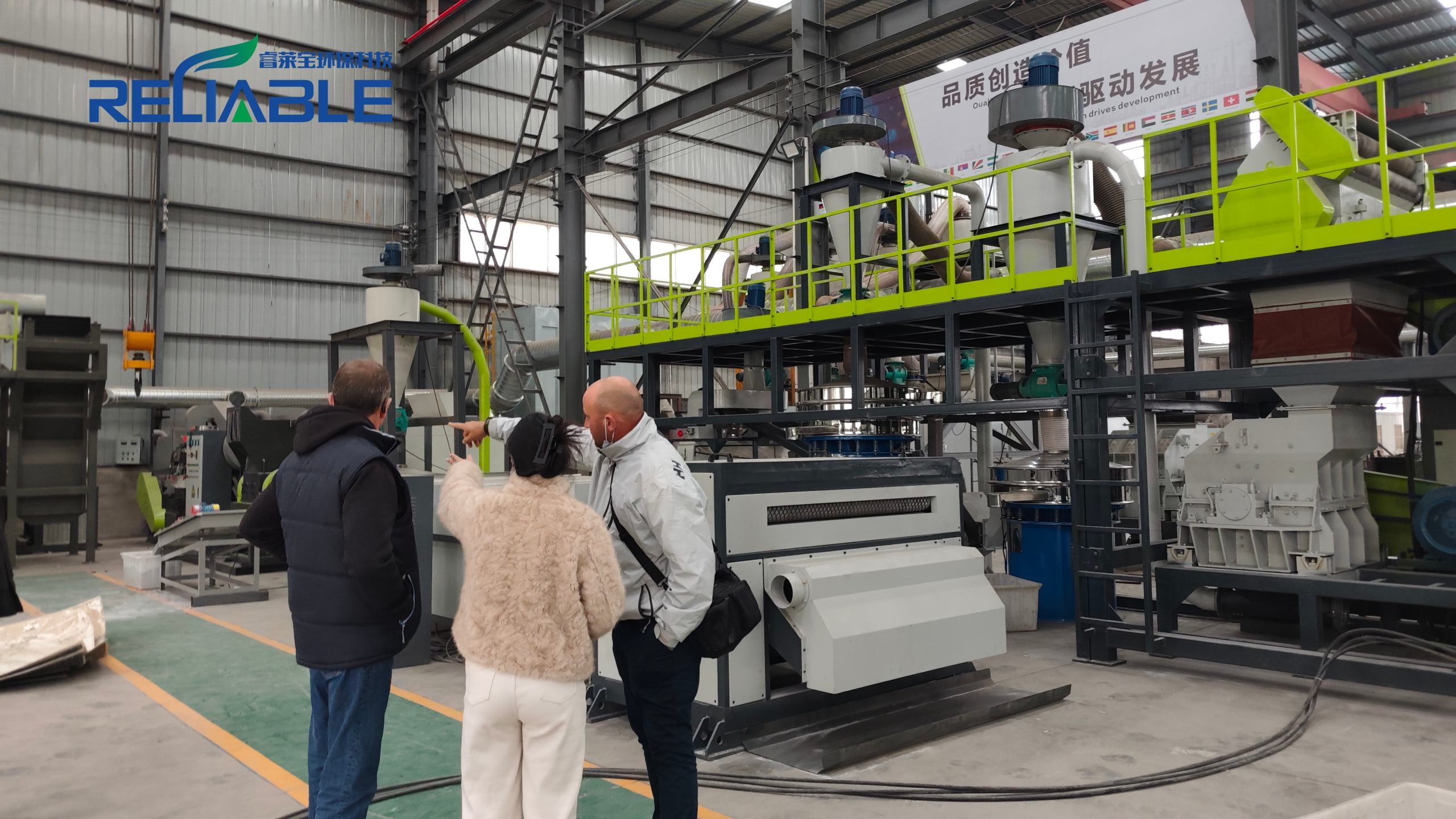
Two methods of Solar Panel Recycling Processes
Environmental compliance is the primary prerequisite for selecting solar PV panel recycling equipment and a key barrier to entry in overseas markets. As global environmental regulations become increasingly stringent, the European Union, Australia, Japan, South Korea, and some North American countries have established extremely high environmental standards for the treatment of PV waste, explicitly prohibiting the use of pyrolysis furnaces for PV panel recycling operations. The reason for this is that pyrolysis recycling processes rely on high-temperature, oxygen-free pyrolysis to break down the EVA adhesive film in solar panels. During operation, this process readily generates harmful pollutants such as volatile organic compounds (VOCs) and fluorides. Even with the installation of exhaust gas treatment systems, it is difficult to fully meet the zero-emission or ultra-low-emission environmental requirements of some countries, making it highly susceptible to risks such as failure to pass environmental impact assessments and operational penalties. In contrast, physical recycling equipment for solar panels employs a purely mechanical and physical processing method. The entire process involves no high temperatures, no combustion, and no emissions of harmful gases. With the addition of a negative-pressure dust collection system, it achieves zero dust leakage, fully complying with the environmental regulations of the vast majority of countries worldwide. It is the only compliant option in regions with stringent environmental standards.
Solar Panel Physical Recycling Process
The pyrolysis recyclilng process involves decomposing the EVA film in photovoltaic panels through high-temperature, oxygen-free pyrolysis. During this process, harmful pollutants such as volatile organic compounds (VOCs) and fluorides are easily generated. Even with the installation of exhaust gas treatment systems, it is difficult to fully meet the zero- or near-zero-emission environmental requirements of some countries, making the process highly susceptible to risks such as failure to pass environmental impact assessments and operational penalties. The pyrolysis recycling method relies on high-temperature cracking of the organic adhesive film in a pyrolysis furnace to achieve material separation. While this process is relatively fast, the high-temperature environment damages the structure of the glass and silicon materials, resulting in lower-quality recovered materials. Additionally, the equipment requires higher technical expertise for operation and maintenance, limiting its use to only a few regions with lenient environmental policies. Although PV panel pyrolysis recycling equipment requires significant upfront investment, its advantages include high metal recovery rates and compatibility with double-glass PV panels.
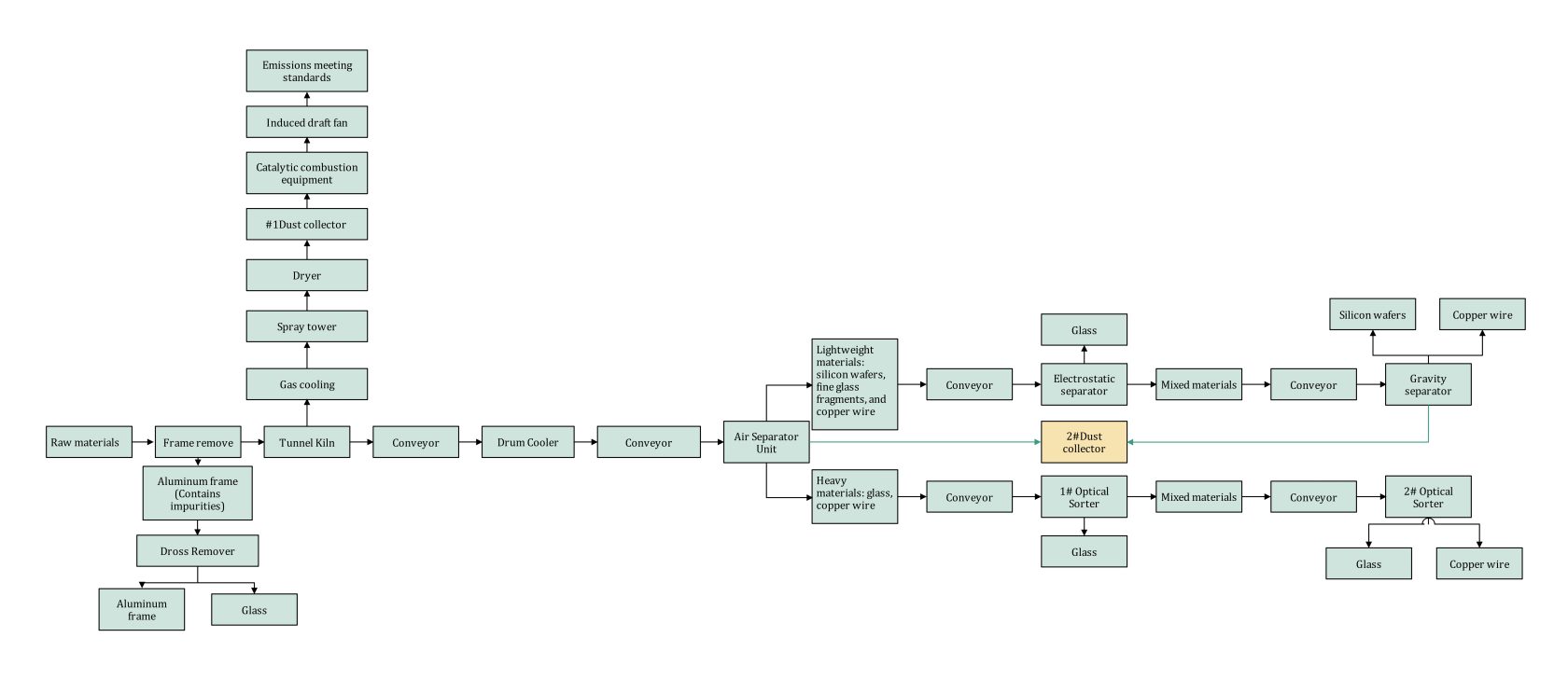
Solar Panel Physical Recycling Process
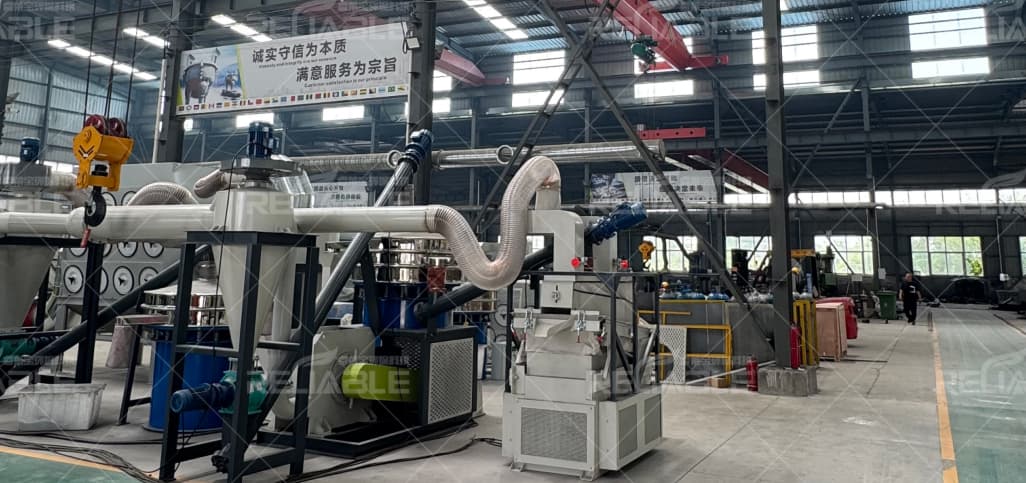
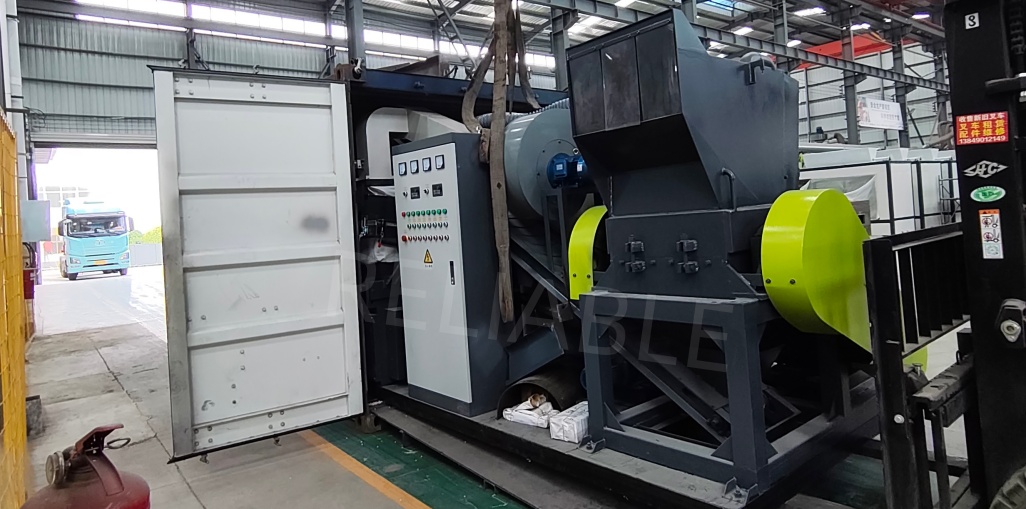
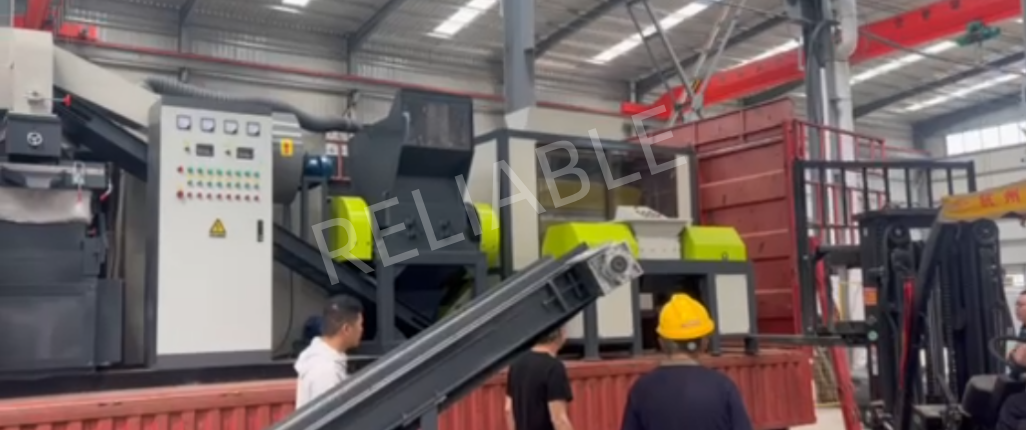
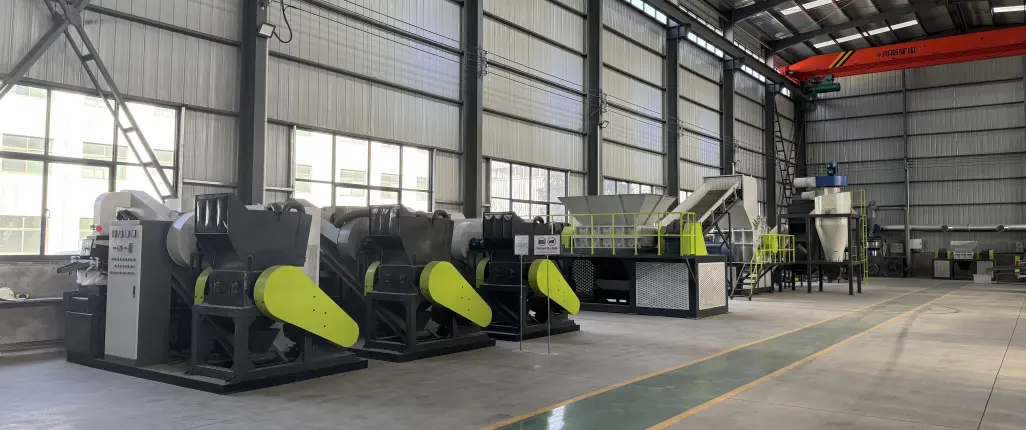
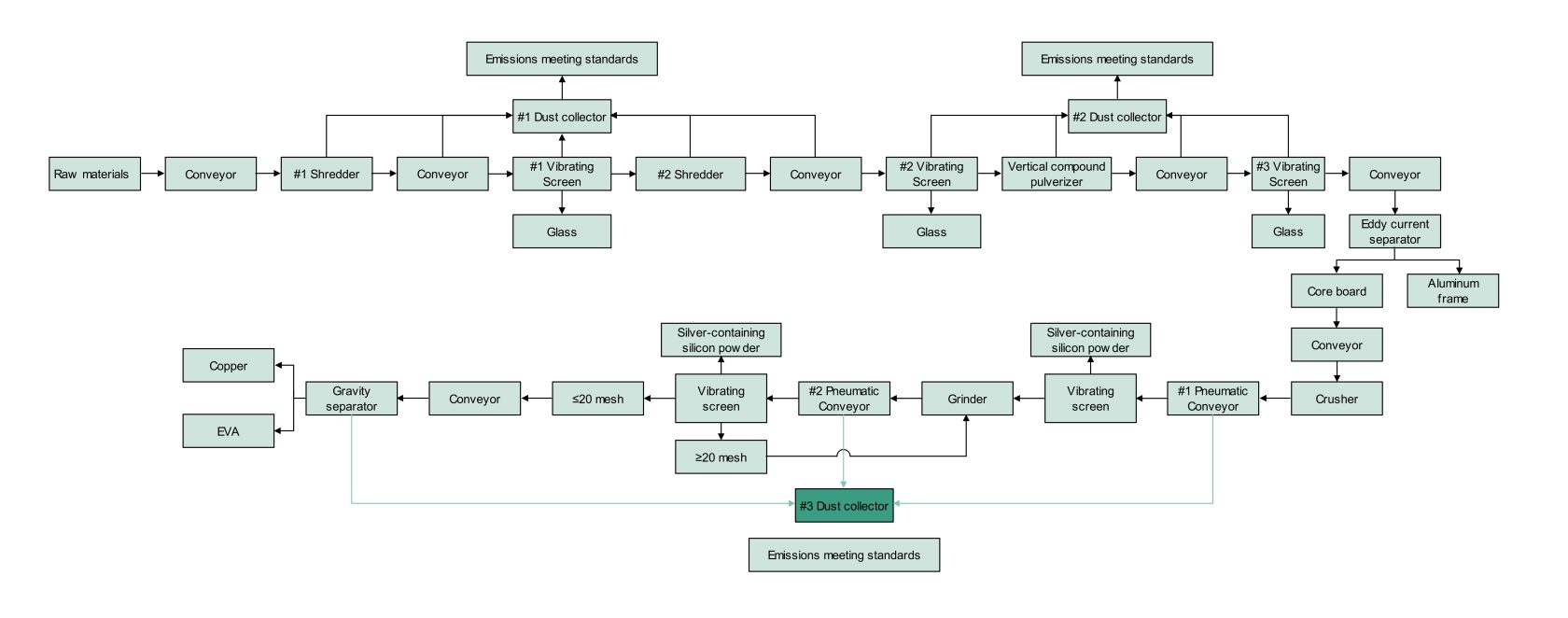
Solar panel physical recycling equipment utilizes a purely mechanical and physical processing method. The entire process involves no high temperatures, no combustion, and no emissions of harmful gases. With the addition of a negative-pressure dust collection system, it ensures zero dust leakage, fully complying with the environmental regulations of the vast majority of countries worldwide. It is the only compliant option for regions with stringent environmental standards. Physical crushing and pyrolysis recycling methods for solar panels each have their own distinct characteristics and are suited to different production needs. The physical crushing recycling process features a clear workflow, sequentially performing steps such as automatic aluminum frame disassembly, glass removal, low-temperature peeling of the EVA film, multi-stage mechanical crushing, and precise sorting. This process efficiently separates components such as glass, silicon, copper, and aluminum from the solar panels. The entire treatment process is gentle and loss-free, maximizing the integrity and purity of the recovered materials.
Conclusion
When considering application scenarios in overseas markets, physical crushing equipment for photovoltaic panel recycling offers greater adaptability. For small and medium-sized recycling enterprises overseas, distributed PV recycling projects, and countries and regions with strict environmental regulations, physical crushing equipment—with its small footprint, flexible and adjustable production capacity, and simple operation—is ideally suited for the recycling and processing of various types of end-of-life PV modules, meeting the needs of decentralized, small-batch recycling. In contrast, pyrolysis recycling equipment is only suitable for a limited number of industrial parks with lenient environmental policies and the capacity for large-scale centralized processing, resulting in extremely limited application scenarios.
In summary, when selecting solar PV panel recycling equipment, the decision should be based on environmental compliance, centered on economic benefits, and guided by suitability for specific applications. Amid the global trend of increasingly stringent environmental policies, physical crushing and recycling equipment for PV panels has emerged as the mainstream choice in both domestic and international PV recycling markets due to its core advantages of strong compliance, controllable costs, high recycling efficiency, and high material value-added. It also better aligns with the practical operational needs of overseas customers. When selecting equipment, companies should consider the environmental policies of their target markets and their own production capacity plans, prioritizing physically crushing recycling equipment with mature technology and reliable quality. This approach achieves a win-win outcome for both environmental and economic benefits, thereby contributing to the high-quality development of the photovoltaic resource recycling industry.