Background
Billions of aluminum cans are produced and discarded worldwide every day. Most of these cans are made of aluminum, and simply throwing away discarded cans represents a significant loss. Aluminum is the most widely used metal in daily life, with relatively low recycling costs and finished aluminum products priced affordably for consumers. It boasts strong corrosion resistance and excellent malleability. Therefore, it is essential to recycle these aluminum cans for reuse.
Aluminum Can Recycling Technology
As a professional solid waste recycling plant in China, RELIABLE has hosted numerous owners from around the world engaged in scrap aluminum or metal recycling. They visit our facility to inspect and procure suitable equipment for volume reduction processing of aluminum cans, as well as crushing and paint removal prior to furnace smelting. However, many recyclers and newcomers to the industry lack a comprehensive understanding of the complete technical process—from collection to smelting. Why is an additional set of equipment necessary? This article summarizes the four essential steps in the recycling and regeneration of aluminum cans, hoping to provide valuable insights for readers.
1. Compacting and Blocking
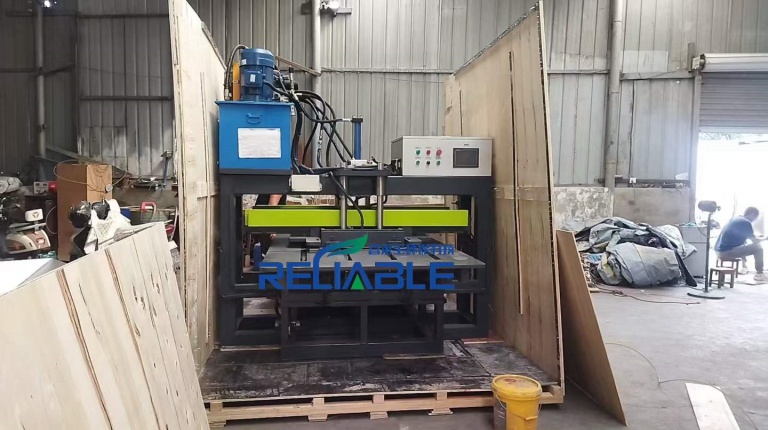
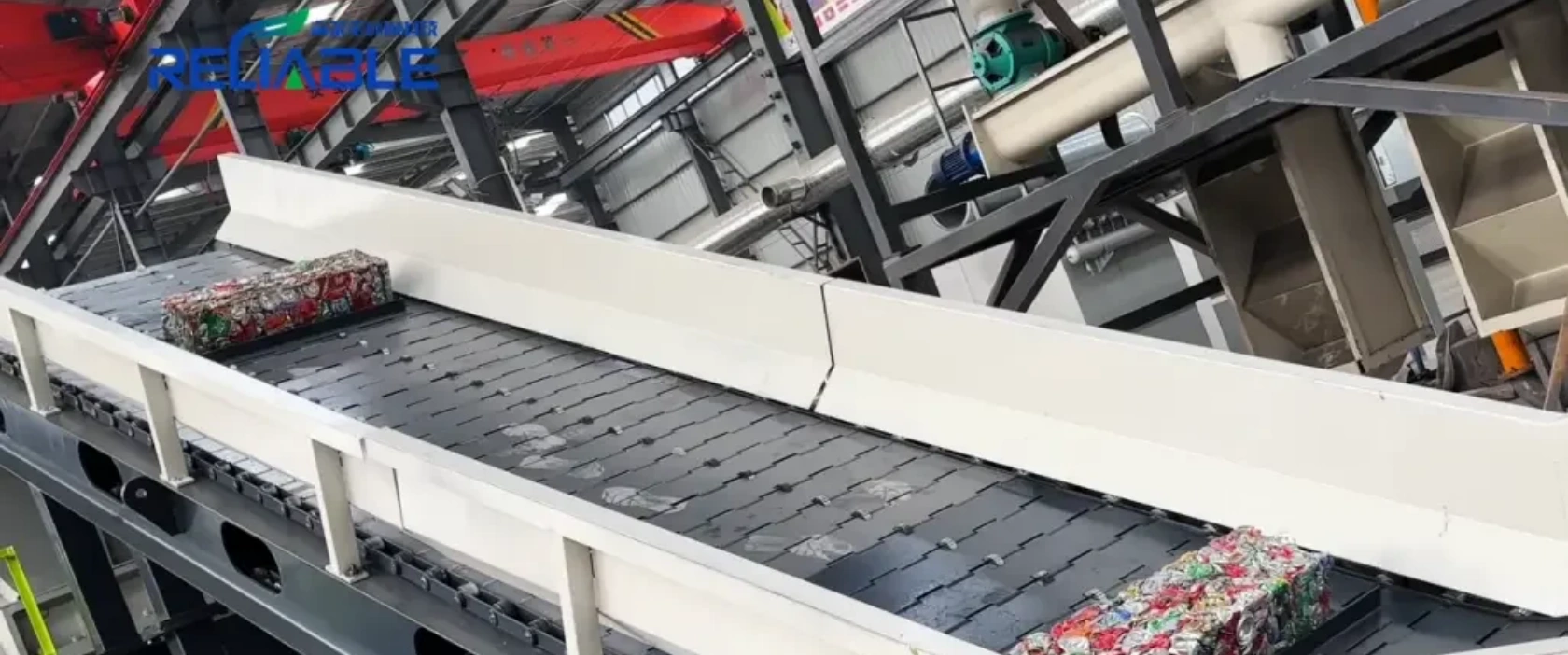
Why compress aluminum cans into blocks? Can pressing machines convert loose cans into high-density blocks to minimize storage space and reduce transportation costs. Customizable sizes accommodate varying client requirements. Tailored by hopper capacity and pressure, larger units yield higher output.
Compacted aluminum cans cannot be fed directly into a smelting furnace; compaction merely serves to reduce volume. Therefore, a dedicated can crushing line is required to shred, de-iron, and sort the material before true aluminum smelting can take place. For example, the pull rings and lids of the cans are made of aluminum and stainless steel, and some of the compressed blocks contain impurities such as plastic dust. Only by separating out these materials that affect the purity of aluminum can we truly achieve aluminum resource recycling.
3. High-Temperature Paint Removal
Is the carbonization-based paint removal of aluminum cans truly necessary? While removing paint from aluminum cans is not strictly mandatory, it is essentially a prerequisite for producing high-quality aluminum and achieving a premium selling price. After carbonization, the aluminum is left clean, material loss is minimized, and the market value is enhanced. This high-temperature process decomposes and eliminates surface paint, protective coatings, grease, residual moisture, and other contaminants; consequently, the subsequent smelting process becomes more environmentally friendly and results in significantly lower material loss.
4. Melting and Shaping
Refined in a furnace, the material is transformed into new raw stock.
The above outlines the complete process for recycling aluminum cans. But how does one go about selecting the right recycling equipment?
Conclusion
Aluminum Can Baling = Reduced transportation costs; suitable for small-scale recycling centers.
Aluminum Can Crushing – Impurity Removal – Paint Stripping – Refining into High-Quality Aluminum = Suitable for large-scale recycling centers or aluminum smelters.
I trust that this summary has helped address any questions or doubts you may have had. If you are planning to establish your own aluminum can recycling line and are interested in our equipment, please feel free to contact us via WhatsApp. Our professional technical expertise can help you boost efficiency and minimize losses.